Burnout Recovery
How Long Does It Take to Recover?
Explore all topics in the Burnout 101 series:
-
Other Pages in this Series
This page focuses on how burnout recovery works. What influences recovery time from burnout, the phases people typically move through, and what helps recovery stick to reduce the chances of burning out again.
Understanding Burnout Recovery
Burnout is not a temporary state of stress that disappears with a short break. Research suggests that recovery can take weeks, months, or even years, depending on the severity and the interventions used (Maslach & Leiter, 2016). Burnout recovery generally falls into three categories:
Mild Burnout: Fatigue and reduced enthusiasm, recoverable in a few weeks with rest and stress management.
Moderate Burnout: Persistent exhaustion and detachment, requiring months of structural changes and possible therapy.
Severe Burnout: Prolonged depletion leading to mental and physical health issues, with recovery taking a year or longer, often requiring professional intervention.
A 2021 study by Gallup found that 76% of employees experience burnout at some point, and those lacking support are more likely to leave their jobs or face long-term health effects (Gallup, 2021).
The Phases of Burnout and Burnout Recovery
Herbert Freudenberger, who coined the term burnout in the 1970s, outlined stages that individuals experience leading to burnout. Recognizing these phases can help in estimating recovery time (Freudenberger & Richelson, 1980).
Important: Most people recognize themselves in more than one phase.
1. Honeymoon Phase - High enthusiasm and motivation, but pushing too hard can lead to stress accumulation.
Recovery Tip: Set work-life boundaries early, prioritize rest, and incorporate stress management strategies.
2. Onset of Stress Phase - Fatigue, irritability, and loss of focus start appearing. Ignoring these signs increases risk.
Recovery Tip: Address workload imbalances, improve sleep, and seek social support. Recovery may take weeks if managed early.
3. Chronic Stress Phase - Ongoing exhaustion and detachment, leading to avoidance behaviors and reduced productivity.
Recovery Tip: Recovery at this stage can take months. Professional support and structured interventions are needed.
4. Burnout Phase - Severe exhaustion, mental depletion, and physical symptoms. Productivity and well-being are severely impacted.
Recovery Tip: Extended rest, therapy, and workplace adjustments are critical. Recovery can take several months to a year.
5. Habitual Burnout (Chronic Burnout Syndrome) - Burnout becomes ingrained, leading to persistent health challenges and career dissatisfaction.
Recovery Tip: Recovery may take a year or more, requiring lifestyle adjustments, workplace changes, and long-term professional support.
How to Recover from Burnout: A Step-by-Step Approach
Knowing how long burnout recovery takes is one thing — knowing how to actually recover is another. Research is clear that burnout rarely resolves on its own. Recovery requires deliberate action across several dimensions: rest, meaning, control, and connection (Leiter & Maslach, 2005).
Here are the steps that research and practice support most consistently:
Step 1: Stop and acknowledge what's happening
The most common reason burnout deepens is that people push through it rather than recognizing it as a genuine depletion state. Before any recovery strategy works, you have to accept that what you're experiencing isn't ordinary tiredness — it's a signal that something structural needs to change. Use Jennifer's free Burnout Self-Assessment to get a clearer picture of where you are.
Step 2: Create genuine distance from the source
True recovery requires more than a weekend off. Research by Sonnentag and Fritz (2015) found that psychological detachment — mentally disengaging from work, not just physically leaving — is one of the strongest predictors of recovery. This means setting boundaries on after-hours communication, using available leave, and protecting rest time as non-negotiable.
Step 3: Restore sleep first
Sleep disruption is both a symptom and a driver of burnout. Restoring sleep quality is typically the first physiological intervention because cognitive recovery, emotional regulation, and motivation all depend on it. This isn't about sleeping more hours alone — it's about sleep consistency and quality (Söderström et al., 2012).
Step 4: Identify and address the root cause
Burnout is caused by chronic workplace stressors, not personal weakness. Maslach and Leiter's research identifies six areas where mismatches between a person and their job drive burnout: workload, control, reward, community, fairness, and values (Maslach & Leiter, 2016). Sustainable recovery means identifying which of these mismatches is driving your burnout — and taking steps to address it, not just cope with it.
Step 5: Rebuild with meaning, not just rest
Rest alone isn't sufficient for full recovery. Studies show that reconnecting with a sense of meaning and purpose in work — even in small ways — accelerates recovery more than rest alone (Steger & Dik, 2010). This might mean reshaping how you approach your current role, or in more severe cases, reconsidering the role itself.
Step 6: Lean into social connection
Burnout is isolating by nature — the emotional exhaustion component causes people to withdraw from the relationships that would most help them recover. Actively maintaining connection with trusted colleagues, friends, or a therapist counters this and has direct effects on recovery pace (Bakker & Demerouti, 2017).
Step 7: Consider professional support
For moderate to severe burnout, professional support meaningfully shortens recovery time. Cognitive Behavioural Therapy (CBT) has the strongest evidence base for burnout-related symptoms, including anxiety, sleep disturbance, and depressive episodes that often accompany severe burnout (Ahola et al., 2017).
For a structured week-by-week guide through each of these strategies, the Burnout Prevention Workbook was built specifically for this stage of recovery.
If you're a leader watching your team struggle
Recovery at the individual level is necessary but not sufficient. Organizations that address the structural causes of burnout — workload, fairness, and values alignment — see faster and more durable outcomes. Jennifer's keynotes and workshops are designed to equip leadership teams to intervene at that level.Factors Influencing Burnout Recovery
Several factors impact how long burnout lasts and how effectively one recovers:
1. Workplace Culture - Supportive environments with well-being initiatives facilitate faster recovery. Toxic work cultures prolong burnout (Moss, 2021).
Organizations looking to address burnout at the cultural level often start with a burnout keynote for leadership teams.
2. Social Support - A strong support network of colleagues, friends, and family accelerates recovery (Bakker & Demerouti, 2017).
3. Personal Coping Strategies - Practicing stress-reduction techniques, such as mindfulness and exercise, aids recovery (Neff, 2011).
4. Access to Professional Help - Therapy, coaching, or career counseling improves recovery outcomes. Cognitive Behavioral Therapy (CBT) has been effective in reducing burnout symptoms (Ahola et al., 2017).
5. Time Off and Lifestyle Adjustments - Vacations provide temporary relief, but without long-term changes, burnout often returns (Sonnentag & Fritz, 2015).
Strategies for Long-Term Burnout Prevention
To avoid burnout recurrence, consider the following:
Prioritize Sleep: Improving sleep quality aids recovery and prevents future burnout.
Set Boundaries: Limit after-hours work and create clear work-life separation.
Engage in Restorative Activities: Exercise, meditation, and hobbies help rebuild energy.
Seek Professional Support: Therapy and coaching provide personalized recovery plans.
Redesign Workflows: Minimize unnecessary tasks and meetings to reduce workload strain.
Conclusion: A Holistic Approach to Burnout Recovery
Burnout recovery varies depending on personal, organizational, and societal factors. Some individuals recover in weeks, while others need a year or more to regain full well-being. The key to long-term recovery is early intervention, workplace improvements, and sustained self-care strategies. By prioritizing well-being, individuals and organizations can foster healthier, more sustainable work cultures.
If you're ready to bring this work to your organization, explore Jennifer's keynotes and workshops.
Feeling the signs of burnout?
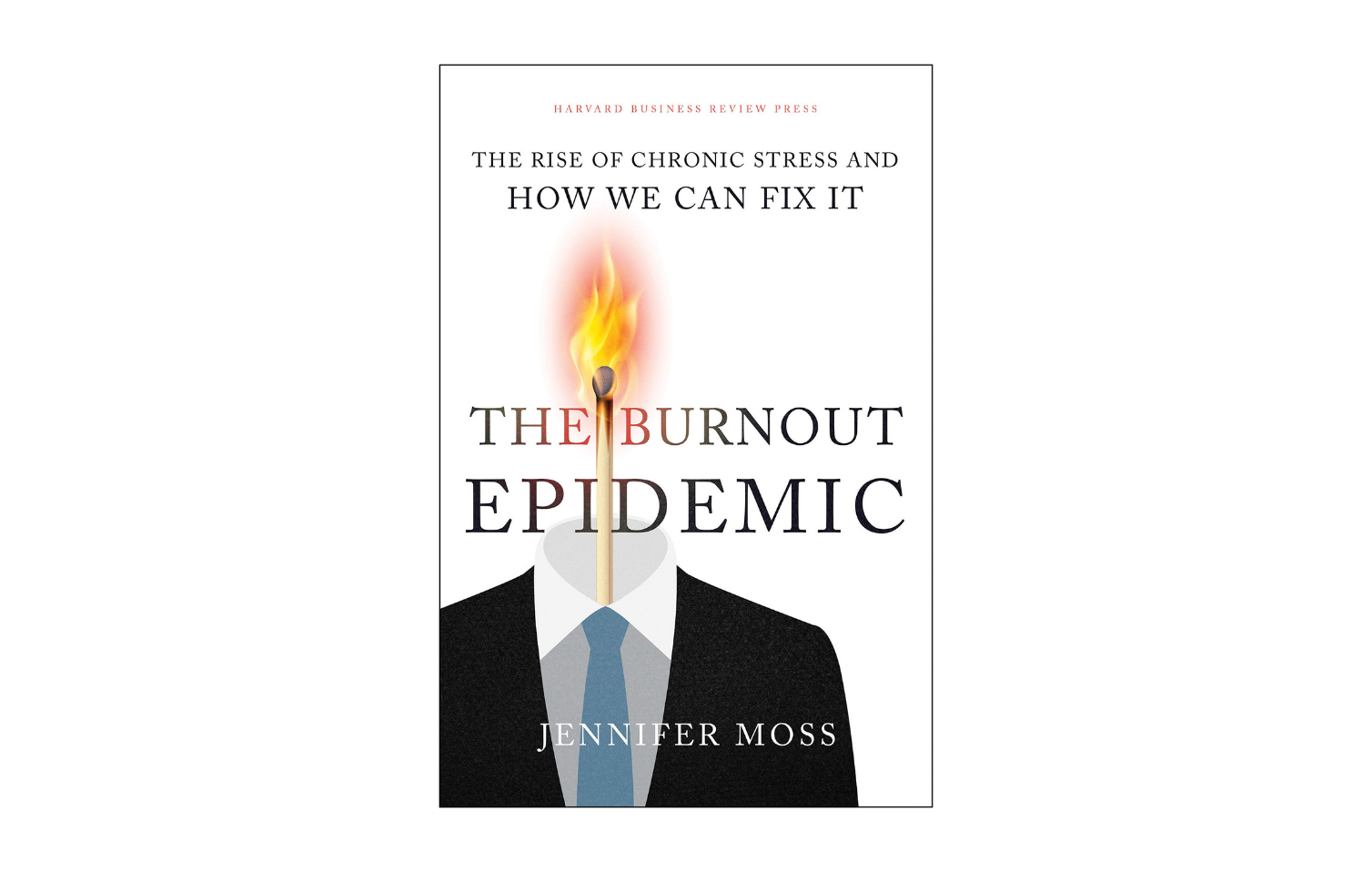
Download a free chapter from The Burnout Epidemic and get practical insights you can start applying today.
For leaders looking to address burnout at scale → See Jennifer’s keynote on Combating Burnout or her Leadership Workshop on Preventing Burnout
Burnout Recovery FAQs
-
Studies suggest recovery can range from several weeks to six months depending on severity, support, and environmental change.
Healing accelerates when individuals combine rest with meaning, community, and purpose. -
Burnout recovery is most effective when both stress and meaning are addressed. This often includes reducing chronic workload pressure, restoring rest and sleep, regaining a sense of control over how work is done, and reconnecting with supportive relationships. Many people recover more sustainably when personal changes are paired with adjustments to their role, expectations, or work environment.
-
You may notice gradual improvements in focus, energy, and emotional steadiness. Tasks begin to feel less overwhelming, and rest starts to feel restorative again. Recovery isn’t linear—expect occasional dips, but look for an overall upward trend over time.
-
Burnout rarely resolves without change. Time away or rest can ease symptoms temporarily, but lasting recovery usually requires addressing the underlying drivers, such as ongoing workload pressure, lack of control, or misaligned expectations. Without these changes, burnout symptoms often return.
-
Yes, if the conditions that caused burnout—like chronic overload or lack of control—return.
Sustainable recovery means not just healing personally but also creating better systems: realistic workloads, supportive leadership, and balanced rest.
If these questions resonate, a structured self-assessment can help clarify where you are in burnout and what kind of recovery support may help.
Take your Learning Further
Order Jennifer’s Burnout Workbook to deepen understanding, reduce risk factors, and strengthen workplace well-being.
Want to Prevent Burnout in Your Organization?
Jennifer Moss works with organizations worldwide to reduce burnout, improve culture, and build healthier workplaces.
👉 Book Jennifer for a keynote
👉 Explore leadership workshops
👉 Learn more about her new book “Why Are We Here?”