Burnout Symptoms: The Complete Guide to Early Warning Signs, Causes & What to Do Next
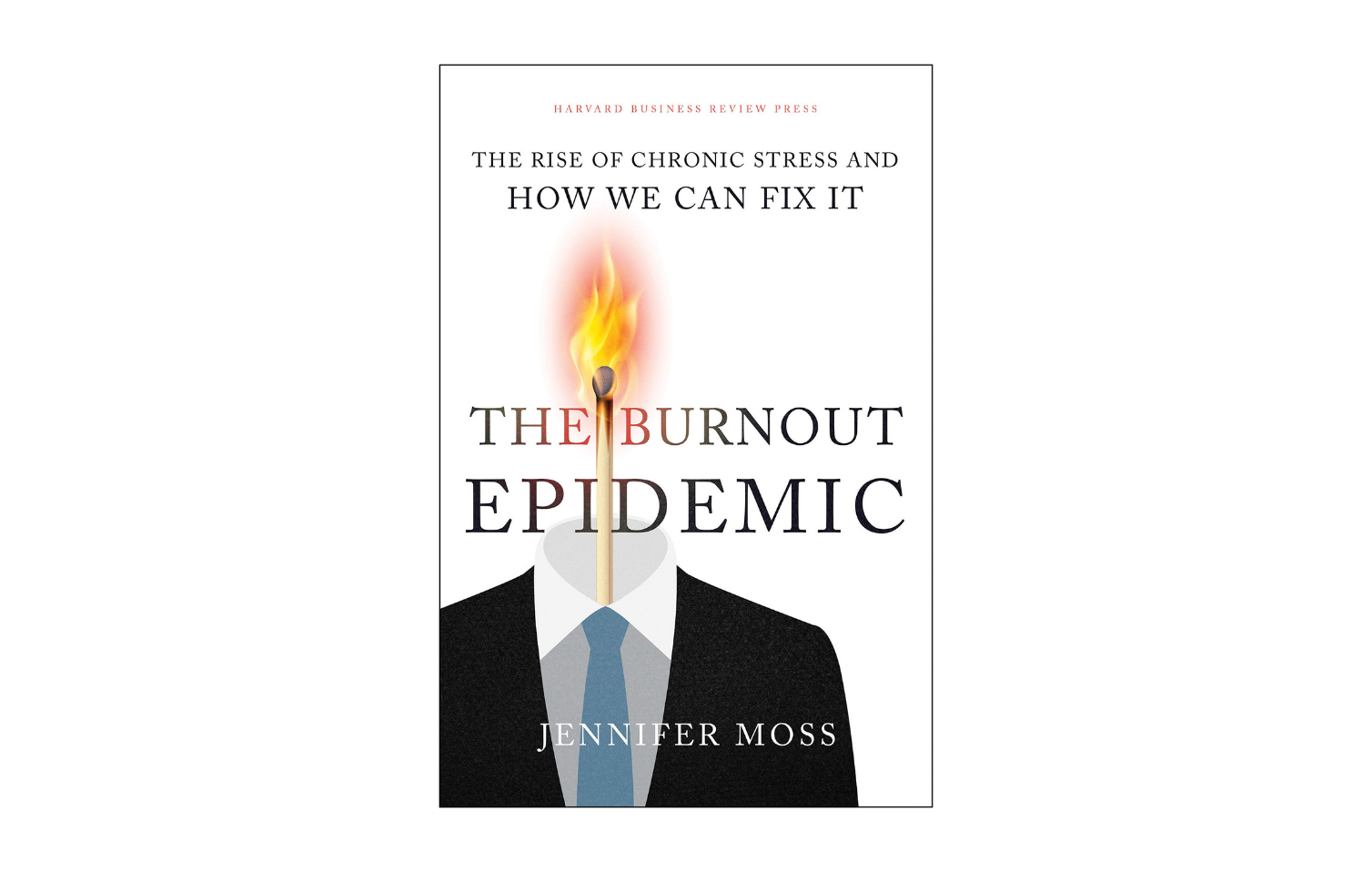
Burnout is more than stress. It’s a state of chronic workplace pressure that affects your mind, mood, energy, and performance. Common symptoms include exhaustion, cynicism, irritability, brain fog, sleep issues, withdrawal from coworkers, and feeling disconnected from your work or purpose. This guide outlines the full symptom list, early warning signs, causes, and recovery strategies based on global research and Jennifer Moss’s bestselling book The Burnout Epidemic.Keep reading to learn what burnout really is—and what leaders can do about it.
-
Other Pages in this Series
Free Burnout Self-Check
Burnout isn’t one thing — it’s the cumulative weight of workload, fairness, control, community, values alignment, reward, and restoration.
Take Jennifer’s 7-factor burnout self-check and receive a personalized profile with next steps and guidance.
What Is Burnout?
Burnout is defined by the World Health Organization as a syndrome resulting from chronic workplace stress that has not been successfully managed. It’s not a personal failure or a lack of resilience — it’s a response to ongoing, unrelenting pressure.
Officially, burnout has three components (World Health Organization, 2019)
Emotional exhaustion
Depersonalization or cynicism
Reduced sense of accomplishment or effectiveness
Burnout isn’t the same thing as stress. Stress is short-term. Burnout is what happens when that stress becomes continuous, unmanageable, and unsupported.
The 15 Most Common Symptoms of Burnout
Burnout shows up across four dimensions — emotional, cognitive, physical, and behavioural. You do not need all of these symptoms to be experiencing burnout. Even a handful of them can signal that your system is overloaded.
Emotional & Cognitive Symptoms
Chronic overwhelm - Feeling like everything is “too much,” even tasks that used to feel easy.
Irritability or short fuse - You snap quicker. You’re frustrated faster. Things that never bothered you before now feel heavy.
Cynicism or negativity - You start assuming the worst about situations, people, or work outcomes.
Mental exhaustion - Your brain feels depleted — thinking, planning, or problem-solving takes significantly more energy.
Difficulty concentrating - You lose focus easily, forget small tasks, and feel mentally unorganized.
Brain fog - That “cloudy” feeling where thoughts feel slow or scattered.
Reduced motivation - Tasks you once cared about now feel pointless, draining, or unmanageable.
Physical Symptoms
Chronic fatigue or exhaustion - Not just tired — worn down. Rest doesn’t fix it.
Sleep disruption - Trouble falling asleep, staying asleep, or waking up wired at 3am with your brain racing.
Headaches, stomach issues, muscle tension - Burnout activates the stress system. Your body absorbs it.
Increased illness - Colds, flu, and infections happen more often — your immune system becomes compromised.
Appetite changes - Eating far less or far more than usual.
Behavioural Symptoms
Withdrawal - Avoiding coworkers, meetings, or social interactions you once valued.
Procrastination or performance decline - Tasks take longer. Mistakes increase. Everything feels harder than it should.
Detachment - You feel emotionally disconnected from work, your role, or even your achievements.
Existential Symptoms
Loss of meaning - Feeling like your work no longer matters.
Purpose fragmentation - You question your career path, identity, or long-term goals.
These “big picture” symptoms usually emerge after long periods of chronic stress — they are key warning signs that intervention is needed.
Early Warning Signs You Shouldn’t Ignore
Most burnout is preventable when you notice the early signals. These are the ones people tend to miss:
Feeling like you’re “walking through cement” in the morning
Needing more recovery time after even normal workdays
Dreading Monday by Friday afternoon
Losing interest in things you used to enjoy
Feeling emotionally numb
A creeping sense of disconnection
Feeling like you always need a vacation, even after you just had one
👉 If any of these feel true, take the Burnout Self-Assessment.
Workplace-Specific Signs of Burnout
Since burnout is fundamentally a workplace condition, many symptoms show up in your daily experience at work.
Unsustainable workload - You never get to the bottom of the list. The pressure is constant.
No recovery windows - Too many meetings, too much context switching, not enough deep work.
Lack of control or autonomy - You feel like you’re reacting to everything instead of influencing anything.
Low psychological safety - You don’t feel safe speaking up, asking for help, or making mistakes.
Poor manager relationship - Lack of communication, clarity, or empathy increases burnout risk dramatically.
Always-on expectations - Emails, Slack messages, or demands at all hours.
Burnout isn’t about individual weakness — it’s about system design.
→ Learn more in “Why Are We Here?”
What Causes Burnout?
There are six core causes of burnout, based on the Maslach model and expanded through Jen’s research:
Workload
Control / autonomy
Reward / recognition
Community
Fairness
Values alignment
The more misaligned these are, the faster burnout accelerates.
Learn more about
Burnout vs. Depression: What’s the Difference?
Burnout and depression can look similar — but they are not the same.
Burnout
Tied specifically to workplace stress
Improves when work-related stressors change
Characterized by exhaustion, cynicism, reduced effectiveness
Depression
A clinical mental health condition
Impacts all areas of life, not just work
Includes persistent sadness, loss of interest, hopelessness, and physical changes
Important:
If you are experiencing hopelessness, thoughts of self-harm, or an inability to function, seek professional care immediately. Burnout can overlap with depression, and treatment should be taken seriously.
How to Recover from Burnout
Recovery depends on reducing the stress sources and creating conditions for restoration.
If You’re an Individual
Reduce or negotiate workload where possible
Create firm boundaries around availability
Rebuild physical reserves: sleep, rest, nutrition
Seek connection instead of isolation
Reconnect to purpose in small, manageable ways
If You’re a Manager
Redistribute work where possible
Clarify expectations and priorities
Increase fairness and transparency
Check in meaningfully — not performatively
Recognize effort, not just outcomes
If You’re an Organization
Address systemic workload issues
Improve meeting hygiene
Build psychological safety
Train leaders in human-centered management
Align expectations with capacity
Burnout recovery is rarely solved through self-care alone. It requires environmental change.
Take your Learning Further
Order Jennifer’s Burnout Workbook to deepen understanding, reduce risk factors, and strengthen workplace well-being.
Want to Prevent Burnout in Your Organization?
Jennifer Moss works with organizations worldwide to reduce burnout, improve culture, and build healthier workplaces.
👉 Book Jennifer for a keynote
👉 Explore leadership workshops
👉 Learn more about her new book “Why Are We Here?”