What Causes Burnout?
Burnout is a chronic workplace condition caused by unmanaged, long-term stress that drains your energy, optimism, and ability to perform at your best. Burnout isn’t an individual failure—it’s a leadership and culture challenge that organizations can solve with the right guidance.
Keep reading to learn what burnout really is—and what leaders can do about it.
Explore all topics in the Burnout 101 series:
-
Other Pages in this Series
Burnout isn’t something that just happens overnight. It’s a slow erosion of coping skills and one’s ability to adapt to the daily chronic stress that finally overwhelms. So, perhaps this is a good time to remind those of us in leadership positions what preventing burnout isn’t.
One of my least favourite suggestions for reducing burnout is telling people, “Just say no.” It’s not as if most employees have the luxury of telling their boss or their clients, “Sorry. No can do.” This advice is chalked full of bias, privilege, and, worse, victim blaming. Unfortunately, we still see this as the standard approach to reducing overwork.
It may also be a good time to remind leaders that burnout can’t be stretched out of people in yoga class or sweated out of them at the gym. Burnout doesn’t care if they breathe better or deeper. And it most certainly isn’t prevented by suggesting that maybe if they just listened to the sound of rainfall for thirty seconds instead of fifteen, they’d feel better. This is the psychology of leaders in denial.
Yes, self-care is good. It can boost moods when we need it, and it’s part of a fulsome well-being strategy. But it’s a tactic, not a strategy. And it’s too far downstream to truly prevent burnout.
Burnout is a complex constellation of poor workplace practices and policies, antiquated institutional legacies, roles and personalities at higher risk, and systemic societal issues that have been left unchanged for far too long.
Now that we’ve brushed off the denial, let’s start by digging deeper into what is actually at the root of burnout. The good news is that these causes can be prevented if we recognize them and address them further upstream.
The Six Root Causes of Burnout
The Maslach Burnout Inventory (MBI) and decades of research by Christina Maslach, Susan Jackson, and Michael Leiter suggest that burnout is most often triggered by the following:
Workload
Perceived lack of control
Lack of reward or recognition
Poor relationships
Lack of fairness
Values mismatch
When I cite these six root causes of burnout in my work, people often ask, “Does someone need to experience all of these to burn out?” The answer is emphatically no. Each one is equally damaging, but some appear more often than others.
I’ll devote significant attention to each root cause, but first, let’s examine the major force behind these six—poor corporate hygiene—and how it conflicts with the needs and wants of employees.
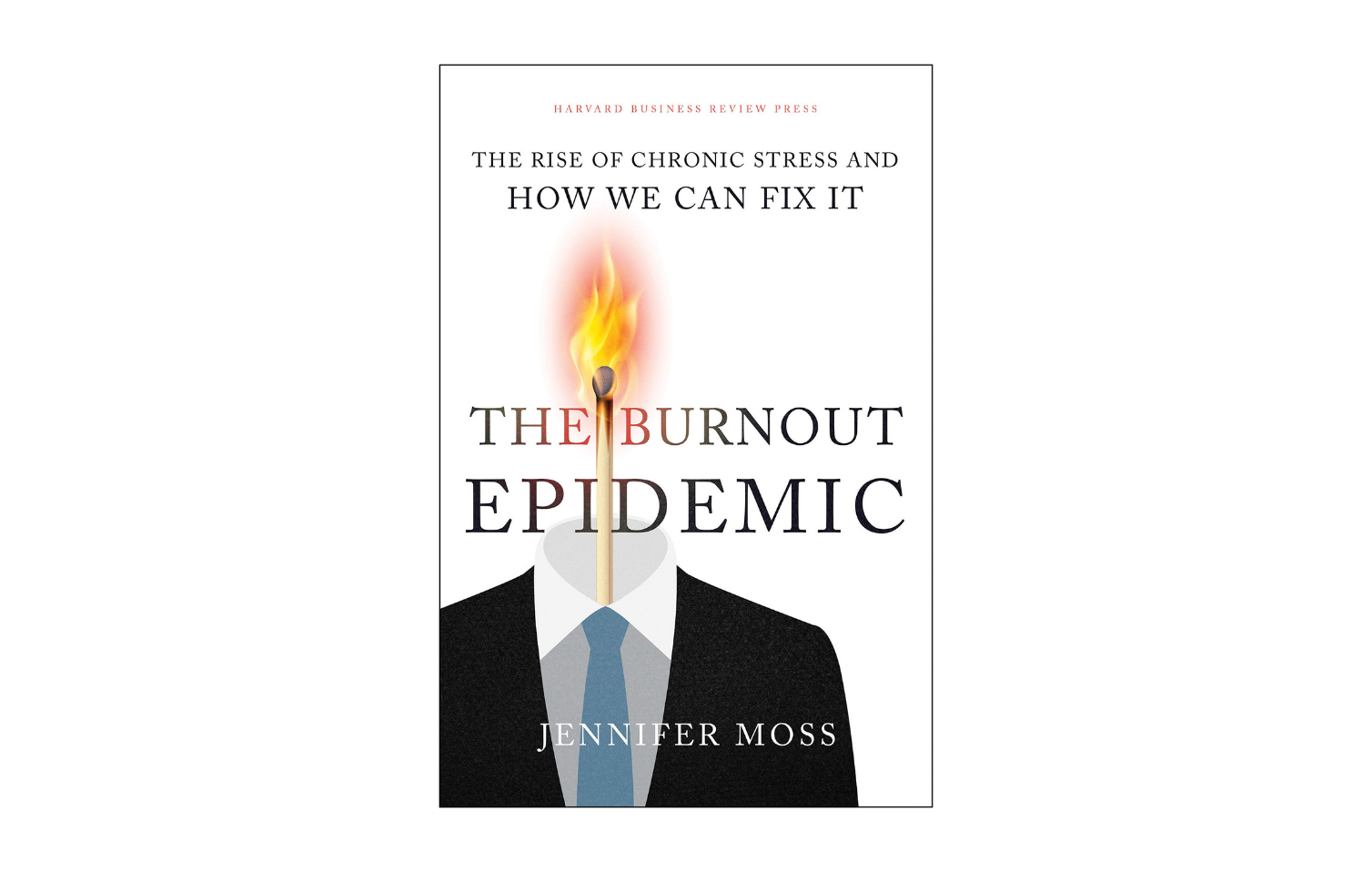
Jennifer Moss is the author The Burnout Epidemic, published by Harvard Business Press in 2021.
Order your copy of Jennifer’s new Burnout Workbook to help deepen your understanding, reduce the effects of the causes of burnout and help you to recover from burnout.
These causes clearly show that burnout originates in organizational systems rather than with individuals. Leadership must implement prevention strategies that address these upstream causes instead of focusing solely on downstream interventions.
Maslach offers a compelling metaphor: employees are like canaries in a coal mine. Canaries, healthy and singing, enter the mine as early warning systems for toxic gases. If they come out sick or silent, it’s not because the canaries failed; it’s because the environment was toxic. Similarly, when employees experience burnout, the question isn’t why they couldn’t cope but why the workplace allowed conditions to become harmful in the first place.
We will cover each of the six root causes of burnout further along in this series.
Critical to Solving Burnout - Rethinking Organizational Culture
Imagine that building a healthy workplace culture is like creating a well-executed recipe. You need the right ingredients (employees), clear directives (policies), and a skilled leader to bring everything together into a cohesive whole. When these elements are out of sync, you get bad culture—a recipe for disengagement and burnout.
Culture plays a massive role in the burnout epidemic. While it’s essential to help employees develop skills that support their mental health, such as resilience and emotional intelligence, battling burnout requires organizations to go further. Employees are ultimately responsible for their own happiness, but leaders have a duty to create conditions that support, rather than undermine, well-being.
Burnout arises when these conditions fail. It’s not confined to a single industry or sector. Millions of employees worldwide experience burnout, and their stories often reveal the same patterns. The consistency of burnout’s origin—systemic issues within the workplace—underscores the need for organizations to rethink their prevention strategies.
Moving Our Focus Upstream: Real Solutions to Burnout
To produce better outcomes, leaders must focus on the upstream factors that lead to employee happiness and well-being. This requires a shift from reactive self-care initiatives to proactive organizational changes. By addressing issues like workload, fairness, and recognition, companies can create environments where employees thrive and burnout is no longer inevitable.
The message is clear: the solution to burnout isn’t another yoga class or mindfulness app. It’s systemic change driven by leaders who take ownership of their organization’s role in fostering well-being.
Take your Learning Further
Order Jennifer’s Burnout Workbook to deepen understanding, reduce risk factors, and strengthen workplace well-being.
Want to Prevent Burnout in Your Organization?
Jennifer Moss works with organizations worldwide to reduce burnout, improve culture, and build healthier workplaces.
👉 Book Jennifer for a keynote
👉 Explore leadership workshops
👉 Learn more about her new book “Why Are We Here?”