Let’s End Toxic Productivity: Harvard Business Review
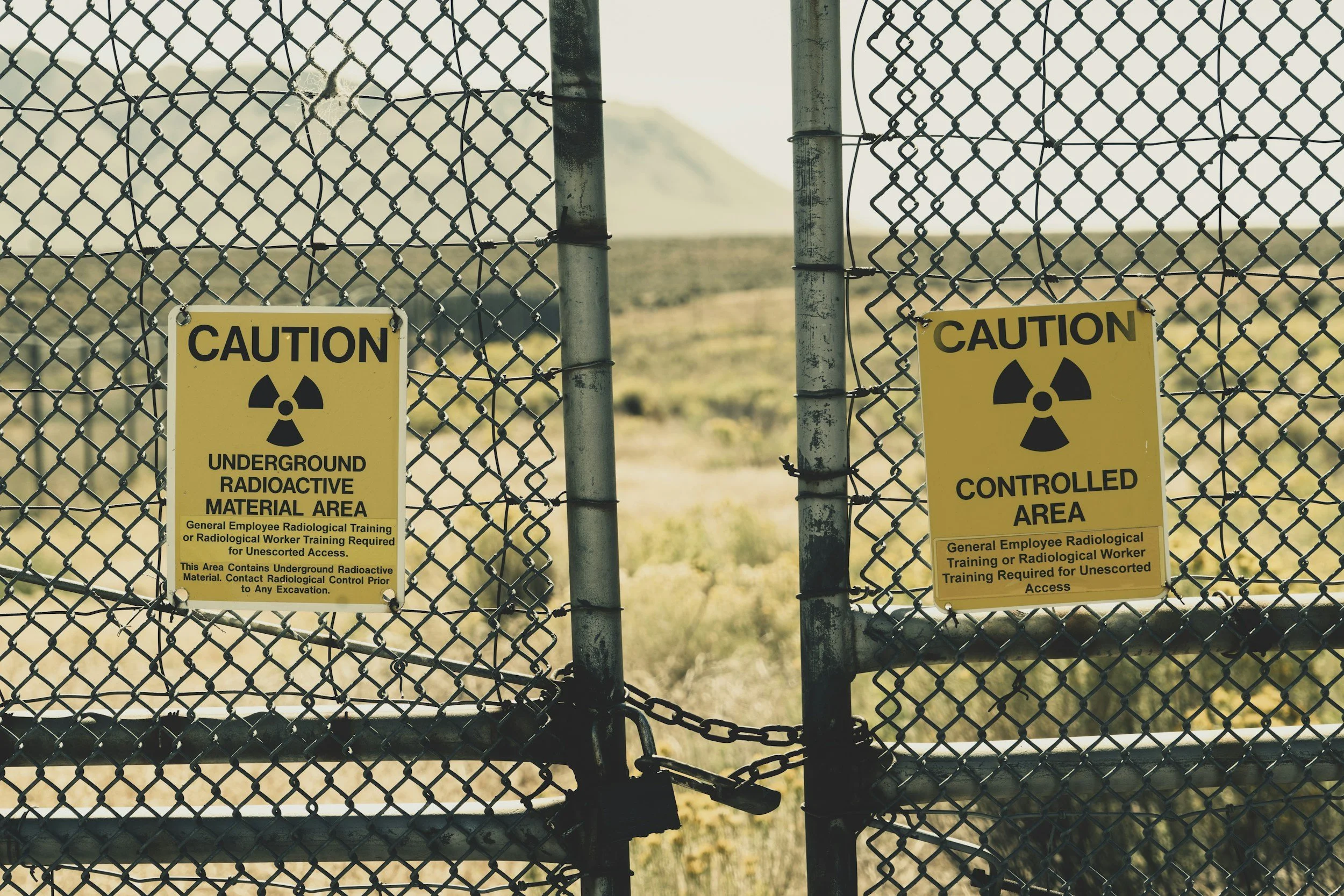
Jennifer Moss in Harvard Business Review on ending toxic productivity culture at work.
Jennifer breaks down the rise of toxic productivity—a modern work trap where people feel pressured to be “on” all the time, even when it’s costing them their mental and physical health. According to the 2024 Mercer Global Talent Trends Report,
82% of workers are at risk of burnout
driven by excessive workloads, exhaustion, and financial strain. This culture isn’t new; it’s rooted in long-held beliefs that equate hard work with virtue and rest with laziness. Social media perfectionism and hustle culture only intensify that pressure.
During the pandemic, these tendencies exploded. Many people used work as a way to feel control and purpose during uncertainty. At the same time, economic anxiety pushed organizations—and individuals—to chase unrealistic “pre-pandemic productivity levels,” even when the world, and people’s capacities, had fundamentally changed.
Want to explore this more deeply?
See our full Burnout 101 series or explore Jennifer’s keynote on Toxic Productivity & The Future of Culture.
Jennifer also digs into the hidden cost of our “always-on” meeting culture. Research from Slack, Atlassian, and other workplace studies shows a massive spike in meetings and after-hours work since the pandemic. The result? Lower productivity, higher stress, and faster burnout. Despite this evidence, many workplaces continue to celebrate “hero culture”—rewarding long hours, last-minute rescues, and chronic overwork.
This burden falls especially hard on women, who continue to face the “second shift” at home and are disproportionately impacted by burnout and exhaustion.
To break this cycle, leaders need to model—and protect—healthier work habits. That includes taking time off, setting clearer boundaries, and reducing unnecessary meetings. Companies like Shopify and Asana have already tested meeting-free days and other time-saving experiments, giving employees more focus time and greater productivity.
Ultimately, ending toxic productivity requires a real shift in values. Many employees—especially women and younger generations—are rejecting outdated definitions of success. They’re asking better questions about what matters, and they’re recognizing that endless meetings, constant urgency, and the pressure to perform don’t create better work—or better lives.
You can read Jennifer’s full insights in her Harvard Business Review article and learn more about her upcoming book, Why Are We Here? from HBR. Organizations and educational institutions can also purchase licensed copies of the article directly through HBR.
Bring Jennifer’s insights to your team
If your organization is navigating burnout, cultural change, or performance pressure, Jennifer delivers keynotes that help leaders build healthier, higher-performing workplaces—without toxic productivity.
→ Book Jennifer for a keynote on culture, blame-free performance, and thriving work.